The name Chantal Compagnon often surfaces in historical and true crime discussions, yet few truly understand the complex, layered life she led. Mentioned frequently in the context of one of the world’s most notorious terrorists, Carlos the Jackal, her identity is more than just her association. From a well-educated Parisian upbringing to her tumultuous marriage, Chantal’s life is a fascinating blend of intellect, ideology, and personal conviction.
In this comprehensive profile, we explore Chantal Compagnon’s biography, from her early life to her controversial partnership with one of the most infamous figures of the 20th century. This article offers not just a surface-level summary but an in-depth look into who Chantal Compagnon was and what shaped her journey.
Early Life and Education
Born in the 1950s into a respectable French bourgeois family, Chantal Compagnon enjoyed a privileged upbringing in Paris. Her family was Catholic, traditional, and firmly embedded in middle-class values. But Compagnon stood apart from the start intellectually curious and politically aware, she embraced revolutionary ideas early on, challenging the conservative worldview of her environment.
She pursued her education in Paris, reportedly excelling in her studies, particularly in philosophy and politics. Her academic background later proved instrumental in shaping her radical ideologies and understanding of global revolutionary movements.
First Encounter with Ilich Ramírez Sánchez (Carlos the Jackal)
Chantal met Ilich Ramírez Sánchez, later known as Carlos the Jackal, in the early 1970s while involved in left-wing political circles. Their connection was instant both driven by political fervour, a shared anti-imperialist stance, and a charismatic passion that fused romance with revolution.
At the time of their meeting, Carlos was already building ties with global terrorist networks. Chantal, though educated and rational, found herself drawn into this dark and radical world, captivated by Carlos’s rhetoric and revolutionary dreams.
A Controversial Marriage

Despite opposition from her family and Carlos’s erratic lifestyle, Chantal Compagnon married him in 1979. The couple’s marriage was symbolic of the extremes of love and ideology. Her family’s concerns were not unfounded she had previously spent time in prison for her political affiliations and was already seen as a dangerous radical by French authorities.
Their wedding, more strategic than ceremonial, was followed by years of separation, reunion, and clandestine operations. Carlos continued to orchestrate terrorist acts around the world, including the infamous OPEC raid in Vienna. Though they rarely lived together, their bond remained rooted in ideology rather than domesticity.
Life in Exile
During Carlos’s years on the run, Chantal Compagnon lived a shadowed life. She frequently moved across Europe and the Middle East, often under different identities. Though not directly involved in violence, her support for Carlos’s actions and her silence made her complicit in the eyes of many.
Her life became one of waiting for coded messages, secret meetings, and the rare moments of connection with her elusive husband. Despite this, she remained staunch in her belief in the cause, never publicly renouncing Carlos or their shared ideology.
Arrest and Imprisonment
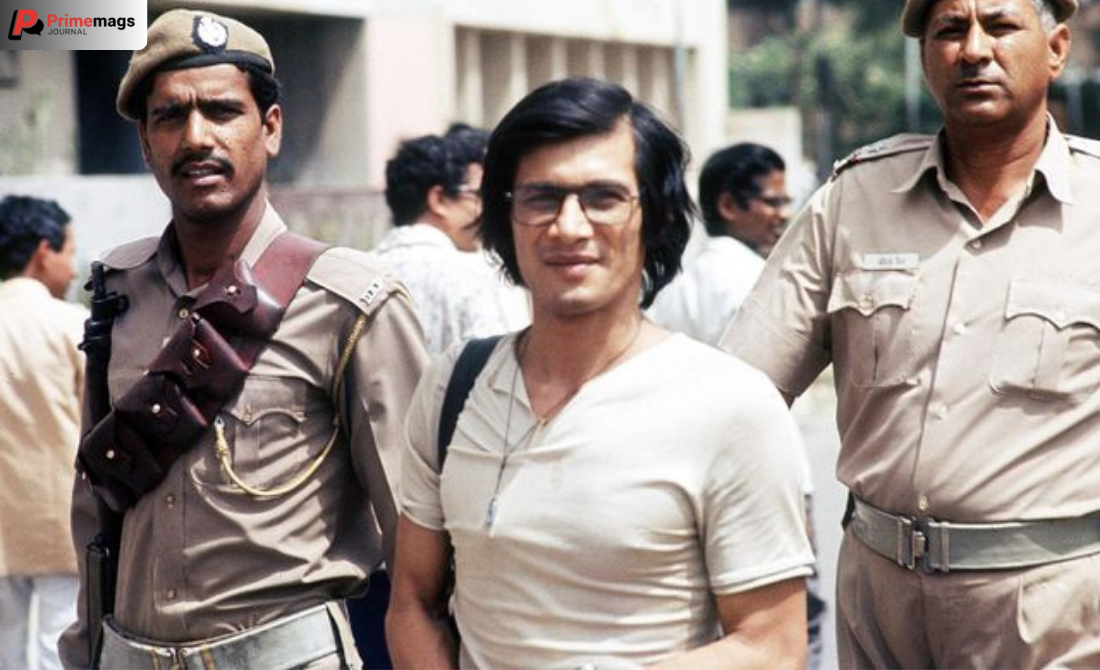
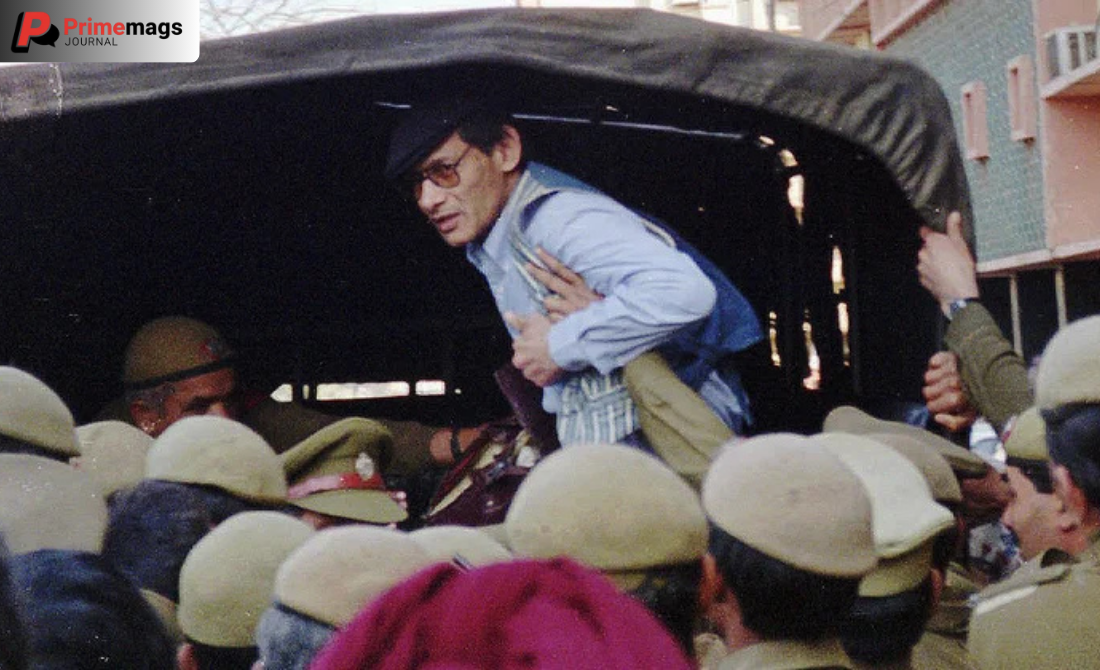
In 1994, Carlos the Jackal was finally arrested in Sudan and extradited to France, where he faced multiple charges for terrorism and murder. Chantal was also questioned, although she was never convicted of any terrorist activity. Still, the stigma surrounding her was undeniable.
She spent time in prison earlier in life, not for acts of terror but for her associations and suspected involvement in aiding fugitives. These years hardened her resolve and deepened the mystery that surrounded her public image.
Motherhood and Private Life
Despite her radical past, Chantal Compagnon became a mother to two of Carlos’s children. She raised them away from the media glare, reportedly seeking some level of normalcy while continuing to maintain her ideological beliefs.
Friends and former acquaintances describe her as quiet, intensely private, and deeply loyal both to her children and her cause. Her children, as adults, have remained relatively low-profile, and it’s unclear whether they followed any of their parents’ revolutionary leanings.
Where Is Chantal Compagnon Now?
As of recent reports, Chantal Compagnon lives in France, away from the public eye. She has never given any major interviews, published memoirs, or sought to capitalise on her story. This silence has only deepened the intrigue surrounding her.
Some speculate she lives a reclusive life, distanced from politics and media. Others believe she continues to harbour radical beliefs, albeit privately. Regardless, her connection to Carlos the Jackal ensures that her name remains etched in history’s shadowy corners.
Chantal Compagnon in Popular Culture
While Carlos the Jackal has been the subject of books, films, and documentaries, Chantal Compagnon’s role is often underplayed or ignored altogether. Yet, her story is essential for a full understanding of the broader narrative.
In films like Carlos (2010), directed by Olivier Assayas, her character appears only briefly. The real Chantal remains enigmatic, absent from public discourse but ever-present in the background of a gripping, real-life thriller.
Key Facts About Chantal Compagnon
- Full Name: Chantal Compagnon
- Nationality: French
- Partner/Spouse: Carlos the Jackal (Ilich Ramírez Sánchez)
- Known For: Association with international terrorist Carlos
- Children: Two
- Status: Reportedly residing in France, living privately
Conclusion
Chantal Compagnon remains one of the most fascinating, elusive figures in modern history — a woman whose life choices sparked both admiration and controversy. Her loyalty, radicalism, and silence continue to raise questions decades later.
Her story isn’t one of absolutes. It’s one of ideology, love, sacrifice, and the blurred lines between right and wrong. If history is written by those who shout loudest, Chantal Compagnon stands as a quiet reminder that sometimes, those who whisper can carry just as much weight.
toto togel situs toto slot