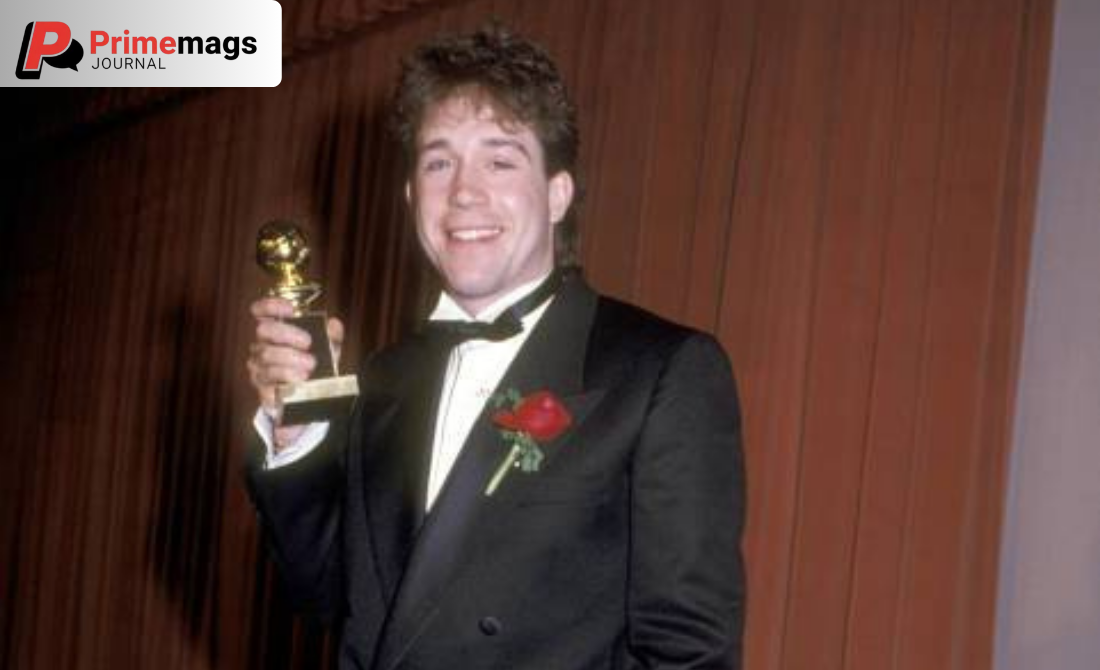
In the world of Hollywood, certain names resonate deeply with both fans and critics, and Tom Hulce is undoubtedly one of those names. His exceptional talent, distinctive roles, and unique personal story have earned him a permanent place in the annals of cinematic history. Despite his varied career in acting and producing, Tom Hulce remains best known for his portrayal of Wolfgang Amadeus Mozart in the 1984 film Amadeus. However, his journey through the entertainment industry and his remarkable personal life have often remained in the shadows of the public eye.
This article delves into the untold story of Tom Hulce, exploring the milestones of his career, his transformative roles, and the fascinating aspects of his personal life that have shaped his remarkable journey.
Early Life and Education
Tom Hulce was born on December 6, 1953, in Detroit, Michigan, USA. From a young age, Hulce exhibited an innate interest in the arts. His love for performance began in high school, where he was involved in several school plays, discovering his passion for theater and acting. This early interest would eventually lead him to attend the prestigious University of North Carolina School of the Arts, where he honed his craft and developed his acting abilities.
Hulce’s ability to adapt to various roles in both comedic and dramatic settings became evident even during his time in school. His studies at the University of North Carolina not only refined his acting skills but also introduced him to an array of theatrical traditions and performances that would come to influence his future career.
The Big Break: Amadeus and Hollywood Stardom
Tom Hulce’s career took a transformative turn when he landed the iconic role of Wolfgang Amadeus Mozart in Milos Forman’s Amadeus (1984). The film, based on the play by Peter Shaffer, depicts the life of Mozart through the eyes of his rival Antonio Salieri. Hulce’s portrayal of Mozart was a revelation, showcasing the character’s eccentric genius and passionate nature.
The film’s success, both critically and commercially, propelled Hulce into the limelight, earning him an Academy Award nomination for Best Actor. His performance was widely praised for its energy, wit, and depth. Hulce’s portrayal of Mozart became an iconic piece of cinema, with audiences and critics alike captivated by his take on the famous composer. The movie won eight Academy Awards, including Best Picture, further solidifying its place in film history and cementing Hulce’s role as one of Hollywood’s top actors at the time.
A Diverse Film Career
While Amadeus is often seen as the defining moment of Tom Hulce’s career, his body of work extends far beyond this one film. In the years following the success of Amadeus, Hulce starred in a range of roles that highlighted his versatility as an actor.
In 1985, Hulce took on the role of the troubled and misunderstood young man in The Twilight Zone: The Movie, a segment directed by Joe Dante. Although the film itself was a mix of genres and tones, Hulce’s performance in this anthology movie further showcased his ability to adapt to different genres.
In 1989, he starred in Parenthood, directed by Ron Howard, a film that showcased Hulce’s ability to bring humor and sensitivity to his character. His portrayal of a young man navigating the challenges of family life was met with acclaim. This role contrasted greatly with his portrayal of Mozart and proved his range as an actor, willing to step into different kinds of roles with ease.
Moving Behind the Scenes: A New Chapter
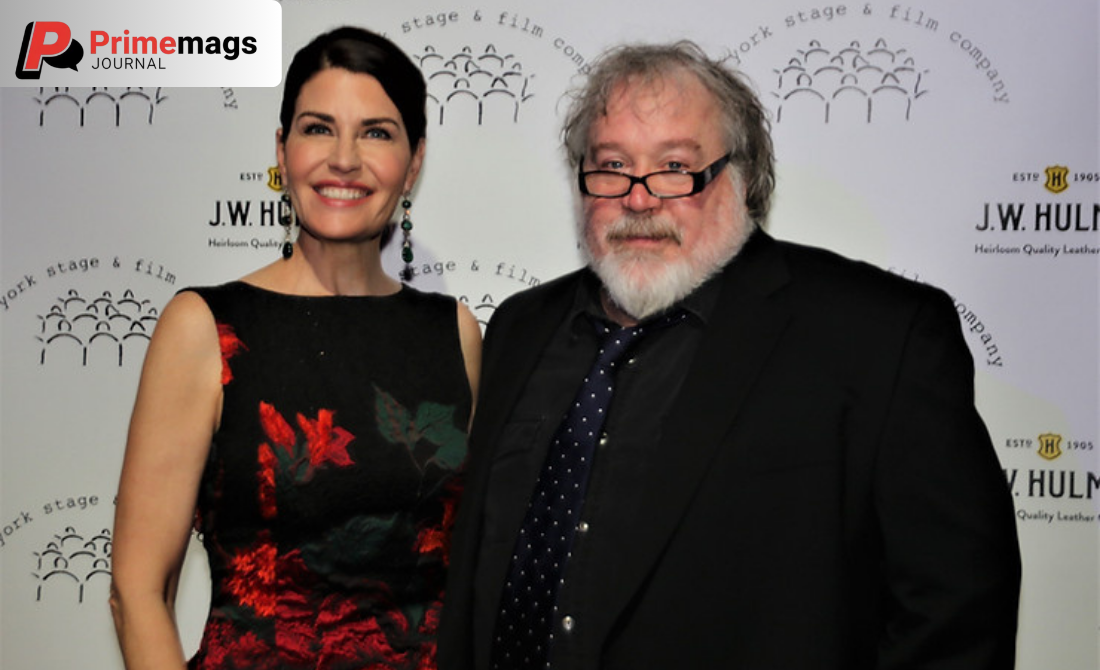
As Tom Hulce’s acting career flourished, he began to explore other aspects of the entertainment industry. By the early 1990s, Hulce transitioned into producing, using his experience and deep understanding of the industry to help bring stories to life from behind the camera.
One of Hulce’s most notable producing ventures was the 1996 film The Hunchback of Notre Dame, where he served as a producer for the Walt Disney animated feature. The film, based on Victor Hugo novel, featured a compelling voice cast and dynamic animation, and became one of Disney’s more somber animated films. The success of The Hunchback of Notre Dame allowed Hulce to cement his reputation as not just a talented actor, but also a capable producer, able to contribute meaningfully to large-scale projects.
A Personal Life Away from the Spotlight
Despite his Hollywood success, Tom Hulce has always been a relatively private person. Unlike many of his contemporaries, he has largely avoided the tabloid spotlight and prefers to keep his personal life away from the glare of public attention. This commitment to privacy has led many to speculate about his relationships and personal history, but Hulce remains a figure who values his privacy.
Over the years, Hulce has also developed a passion for architecture and has been involved in several design projects. His interest in this field is deeply rooted in his appreciation for the arts and his creative sensibilities, which extend beyond acting and film production. Though not as publicly visible as his film career, Hulce’s ventures into design reflect his multi-dimensional personality.
Tom Hulce’s relationship with the media has always been one of discretion. In a 1992 interview, he mentioned that he doesn’t need the constant media attention and prefers to lead a quiet, reflective life. This perspective has allowed him to maintain a sense of personal fulfillment, despite the demands of fame.
Later Career: Stage and Voice Work
Though Tom Hulce’s time in front of the camera has slowed in recent years, he continues to contribute significantly to the entertainment world. In recent years, he has worked on various voice acting projects, lending his voice to animated films and television series.
His voice was prominently featured in the popular Disney animated movie The Hunchback of Notre Dame (1996), where he voiced the character of Quasimodo, the sympathetic bell-ringer. His work in the film earned him widespread recognition, and he was praised for his unique voice acting talents. This role showcased his ability to bring life to animated characters in a way that resonated with both children and adults.
Moreover, Hulce has returned to the theater stage, occasionally making appearances in live productions. His work in theater has allowed him to reconnect with his roots, further showcasing his versatile talent and his long-standing commitment to the craft of acting.
Tom Hulce’s Legacy and Influence
Tom Hulce’s influence on cinema cannot be overstated. From his iconic portrayal of Mozart to his later work as a producer and voice actor, Hulce’s impact on the entertainment world spans decades. His dedication to his craft, as well as his ability to transform into a wide range of characters, has made him a beloved figure in the industry. His work continues to inspire new generations of actors and filmmakers alike.
Hulce’s refusal to conform to the typical Hollywood narrative, opting instead for roles that challenged him artistically and personally, has set him apart from many of his peers. His ability to move seamlessly between different genres and mediums—whether it be stage, screen, or voice acting—has solidified his reputation as one of Hollywood’s most adaptable talents.
FAQs
Q1. What is Tom Hulce best known for?
Tom Hulce is best known for his iconic portrayal of Wolfgang Amadeus Mozart in the 1984 film Amadeus, which earned him an Academy Award nomination for Best Actor.
Q2. Has Tom Hulce worked behind the scenes in Hollywood?
Yes, after his acting career, Hulce transitioned into producing and contributed to films like The Hunchback of Notre Dame (1996), showcasing his versatile talents in the industry.
Q3. What other notable roles has Tom Hulce played?
In addition to Amadeus, Hulce starred in Parenthood (1989) and The Twilight Zone: The Movie (1983), demonstrating his ability to tackle both comedic and dramatic roles.
Conclusion
Tom Hulce’s career is a testament to the power of versatility and authenticity in the entertainment industry. From his transformative performance in Amadeus to his work behind the scenes as a producer and voice actor, Hulce has created a legacy that will be remembered for generations to come. Though he remains an enigmatic figure, his contributions to film, television, and the arts continue to inspire and shape the landscape of modern entertainment. Through his work, Hulce proves that it’s not just about the roles you play but the integrity and passion with which you approach your craft.