

In today’s ever-evolving media landscape, few names evoke a blend of sharp investigative skill and human-centred storytelling like Ben Leo. Known for his tenacity in uncovering the truth and bringing underreported stories to the forefront, Ben Leo is more than just a journalist he is a voice for the unheard. From tabloid scoops to heartfelt documentaries, Leo’s presence across British journalism is both impactful and widely respected.
Born in the United Kingdom and rooted in a tradition of bold, fact-driven reporting, Ben Leo has earned a reputation for his compelling features and fearless investigations. In a time when media credibility is constantly questioned, Leo stands firm, offering a refreshing dedication to transparency, ethical reporting, and narrative depth.
Early Career and Education
Ben Leo’s journey into journalism wasn’t paved with shortcuts. He began with a solid academic foundation, studying journalism in the United Kingdom where he mastered the craft of storytelling, media ethics, and news production. During his university years, he honed his skills through internships, often volunteering for local media outlets. This grassroots exposure taught him the importance of local stories and the human element behind every headline.
After graduation, Leo joined regional newsrooms, cutting his teeth on everything from council scandals to crime investigations. His early reporting demonstrated a rare ability to balance hard facts with emotional resonance a style that would later become his signature.
Rise to National Prominence
Ben Leo’s big break came when he transitioned to ITV News, one of the UK’s most respected broadcasting networks. As a correspondent and on-screen reporter, Leo quickly distinguished himself by covering complex issues with clarity and empathy. Whether reporting from tense courtrooms or war-torn foreign regions, his delivery always combined calm professionalism with journalistic urgency.
His report on domestic abuse survivors won acclaim for its sensitivity and depth, placing a spotlight on the real-life implications of policy decisions. This investigative instinct, paired with his ability to humanise tough topics, earned him nationwide recognition.
Storytelling Through Investigations
What sets Ben Leo apart in the crowded media field is his focus on story-driven investigative journalism. His pieces do more than present facts they narrate lives. Whether it’s unmasking fraudulent schemes or exploring the struggles of marginalised communities, Leo’s work dives deep into systemic issues.
One notable series saw Leo explore the experiences of ex-offenders trying to reintegrate into society, capturing not only the challenges they face but the often-overlooked societal structures that hinder rehabilitation. These stories weren’t just news items they were catalysts for conversation and policy debate.
Awards and Recognition
Over the years, Ben Leo has received multiple accolades for his journalism. While he remains modest about his achievements, peers and industry insiders often highlight his award-winning documentaries and nominated reports. Some of his recognised work includes:
- A long-form piece on homelessness in the UK that aired during winter crises
- Investigative reports into financial fraud targeting elderly citizens
- A heartfelt profile of families affected by the NHS waiting list backlog
These honours validate not just Leo’s technical skills but also his unwavering commitment to ethical storytelling.
Personal Approach to Journalism
Ben Leo’s philosophy is clear: journalism is not just about headlines; it’s about people. This mindset reflects in how he engages with sources, approaches stories, and even handles backlash. He’s often praised for giving a platform to those who typically go unheard be it care home residents, single parents, or victims of injustice.
He once said in an interview, “Every person has a story worth telling, and it’s our job to honour that with truth, not spectacle.” That guiding principle is visible in his tone measured, informed, and always empathetic.
Multimedia Presence and Adaptation
In an era where digital media dominates, Ben Leo hasn’t fallen behind. His presence spans multiple platforms, from traditional TV reporting to online video features and social media storytelling. He often breaks down complex issues in short, digestible clips tailored for younger viewers without compromising on accuracy.
He’s also appeared on popular podcasts and panel discussions, offering insights into journalistic integrity, media reform, and how to responsibly report in the age of clickbait. His efforts to bridge the generational gap in news consumption have made him popular among digital-first audiences.
Behind the Scenes: The Man Beyond the Camera
Despite his growing fame, Ben Leo remains grounded. Known for his professionalism in the newsroom, he also fosters a collaborative spirit with colleagues. Those who’ve worked alongside him describe him as diligent, approachable, and always willing to mentor junior journalists.
Outside of work, Leo is rumoured to have a keen interest in history and photography, often sharing black-and-white photos from his travels or off-duty explorations around Britain. Though private about his personal life, his genuine warmth often comes through in his behind-the-scenes interactions.
Public Perception and Social Impact
Ben Leo’s audience values his credibility, compassion, and consistency. Unlike sensationalist reporters, he prioritises nuance over noise. This has helped foster a loyal viewer base that trusts his interpretations of events, especially in sensitive stories.
Through public engagements and community forums, he often discusses the responsibilities of journalists in shaping discourse. His appearances in schools and universities highlight his dedication to educating the next generation about media literacy and ethical reporting.
Challenges in Modern Reporting
Ben Leo has been vocal about the challenges facing modern journalism from declining trust in media to the financial pressures newsrooms face. He’s advocated for better support for investigative journalism and stronger protections for press freedom.
He also openly addresses the emotional toll reporting can take, particularly when covering distressing events. His openness about mental health within journalism has sparked conversations around newsroom well-being and burnout.
What Makes Ben Leo Different?
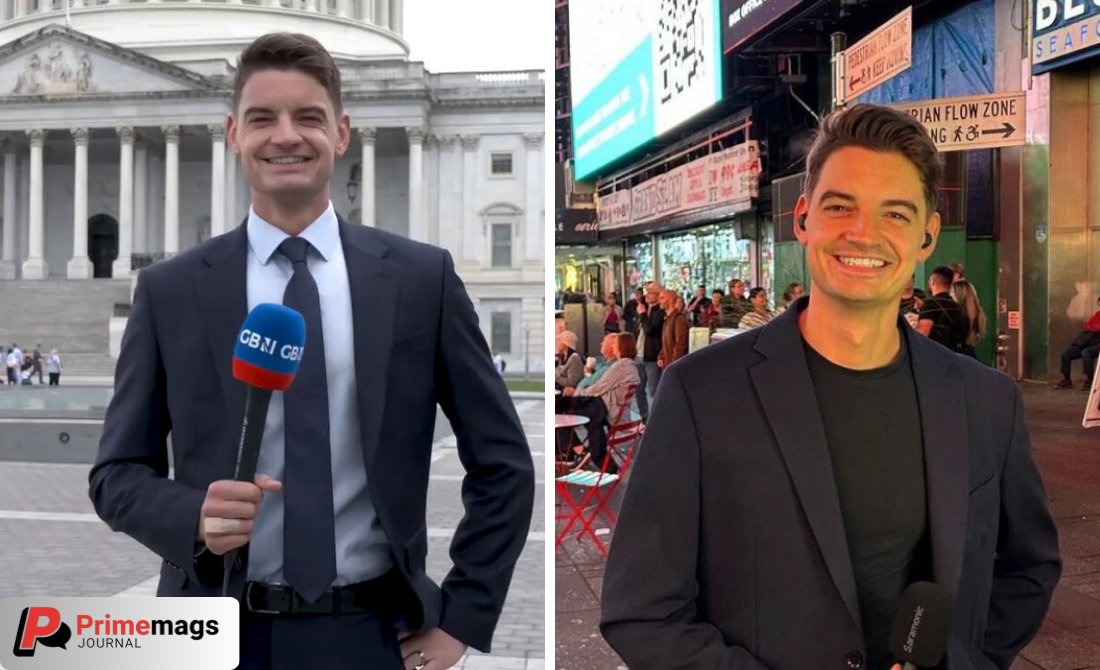
While many journalists chase breaking news, Ben Leo chases stories that matter. His distinct ability to tell human stories without sensationalism is rare. He takes the time to understand context, verify facts, and connect dots qualities that are sometimes lost in the fast-paced world of 24/7 news cycles.
Whether he’s reporting from a protest, a council estate, or the steps of Parliament, Leo’s focus remains on truth-telling through clarity and care.
Legacy and the Future
At a relatively young age, Ben Leo is already considered a leading voice in British journalism. His legacy is being shaped not only by the stories he tells but by the standards he sets for ethical, people-first journalism.
As he continues to take on new challenges perhaps even venturing into long-form documentaries or media leadership one thing remains clear: the future of journalism is brighter with Ben Leo in it.
Conclusion
Ben Leo isn’t just another face on television he is a storyteller, a truth-seeker, and a journalist of integrity. In a media climate often clouded by bias and misinformation, Leo’s dedication to clarity, compassion, and accountability makes him a beacon of responsible journalism in the United Kingdom. As audiences crave authentic narratives, his work reminds us why journalism still matters.
toto togel situs toto slot