
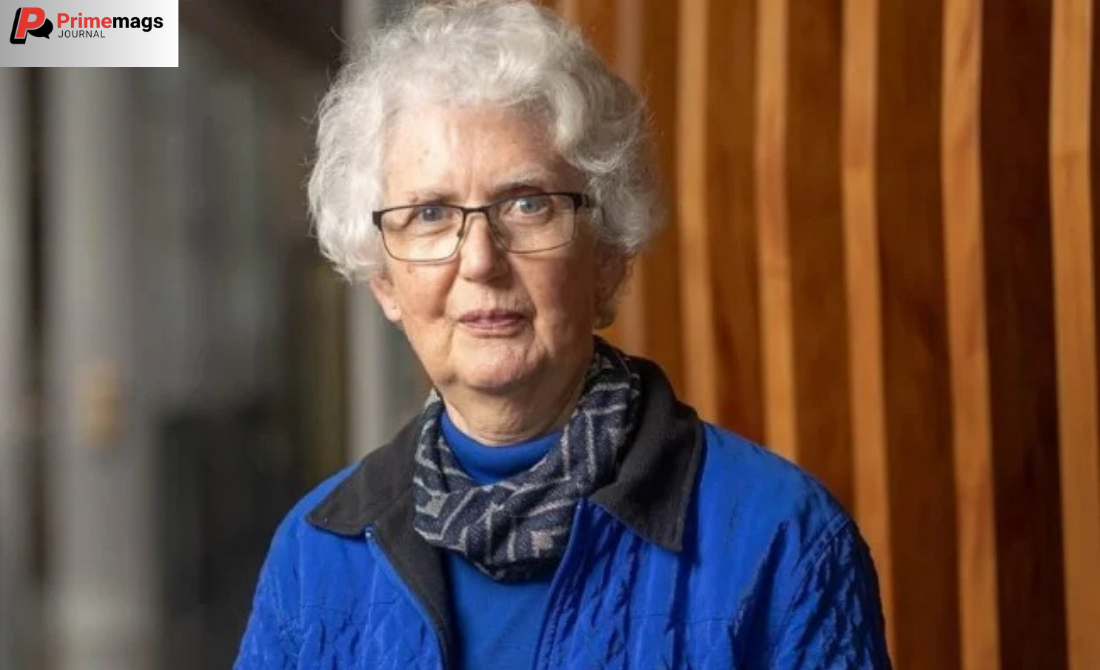
Caroline Crowther is a renowned epidemiologist whose research has reshaped modern maternity care. With a focus on clinical trials in pregnancy and neonatal health, her work is internationally recognised. She champions evidence-based medicine that improves outcomes for mothers and babies. Crowther’s contributions continue to influence obstetric practices across the globe.
Why Caroline Crowther Deserves Recognition
Caroline Crowther is a name that resonates deeply within the world of maternity healthcare and clinical research. Known for her rigorous commitment to evidence-based practice, she has contributed significantly to improving outcomes for mothers and babies around the world. Within the first 100 words, it’s important to acknowledge that Caroline Crowther is far more than a figure in academic medicine—she is a driving force in transforming how care is delivered in one of the most delicate areas of human health.
For over two decades, Caroline Crowther has led pioneering clinical trials, developed globally used protocols, and shaped the direction of perinatal medicine. This article will explore her life’s work, her lasting impact on public health, and why her approach continues to influence the next generation of maternal health professionals. Whether you are a medical student, a health journalist, or simply curious about the people driving scientific progress, you’ll find plenty of insight here.
Who Is Caroline Crowther? A Brief Biography
Professor Caroline Anne Crowther is an internationally respected clinical epidemiologist, with a special focus on women’s health, pregnancy, and neonatal outcomes. Originally trained in the United Kingdom, she later spent a significant portion of her career in New Zealand and Australia, where she helped spearhead numerous landmark clinical trials. Her research consistently bridges the gap between theory and practice—offering real-world solutions to real-world problems.
She is affiliated with institutions such as the University of Auckland and the University of Adelaide, where she has served as a professor in obstetrics and gynaecology. Caroline Crowther’s academic journey is marked by precision, persistence, and passion, qualities that have helped her become a trusted name in perinatal care.
Her Work in Evidence-Based Maternity Care
At the heart of Caroline Crowther’s influence is her dedication to evidence-based medicine—an approach that prioritises treatments and protocols proven through rigorous scientific evaluation. In maternity care, where interventions can have profound consequences for both mother and child, this commitment is vital.
Crowther’s research often tackles some of the most pressing questions in obstetrics: When is it safe to induce labour? Should corticosteroids be given in late pregnancy? What are the long-term outcomes of early delivery in twin pregnancies? These are not just academic curiosities—they are life-altering decisions faced by obstetricians daily.
By leading large-scale, randomised controlled trials (RCTs), she has provided clinicians with reliable, peer-reviewed data that guide safer, more effective care practices. Her work ensures that women receive interventions that are backed by data rather than tradition or anecdote.
Landmark Clinical Trials: Impact and Reach

Perhaps the most defining aspect of Caroline Crowther career has been her leadership in multi-centre clinical trials that have changed global obstetric practice. Let’s explore a few standout examples:
⭐ The ACTORDS Trial (Antenatal Corticosteroids for Women at Risk of Late Preterm Birth)
This major study found that giving corticosteroids to women at risk of late preterm birth significantly reduces respiratory complications in newborns. The findings influenced international guidelines, including those issued by the WHO and NICE.
⭐ The Magpie Trial
This international trial, coordinated in part by Crowther’s team, looked at the use of magnesium sulphate for women with pre-eclampsia. The results showed the drug’s ability to reduce the risk of eclampsia and maternal death, making it a recommended treatment worldwide.
⭐ The Twin-Twin Transfusion Study
Another significant contribution was research into optimal delivery timing in twin pregnancies, helping establish safer protocols for when and how twins should be delivered to avoid complications like stillbirth.
These trials are not just academic victories—they directly shape the protocols that hospitals and clinicians follow, improving safety and outcomes on a global scale.
Improving Outcomes for Mothers and Babies
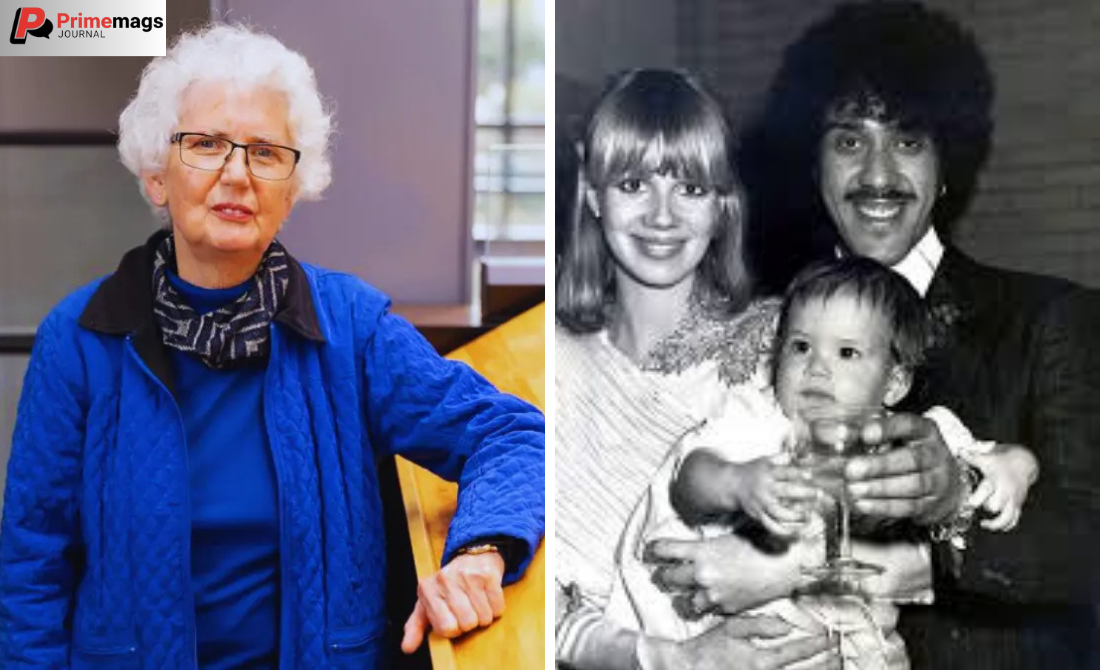
Crowther’s approach has always been deeply rooted in real-life clinical outcomes. Her goal is not just to publish in high-impact journals, but to make a tangible difference in the delivery rooms and neonatal wards across the world.
Some of the key improvements driven by her work include:
- Reduced neonatal respiratory distress through optimised use of corticosteroids
- Lowered rates of maternal complications through precise use of magnesium sulphate
- Better guidelines for the management of preterm labour and multiple births
- Safer inductions of labour in complex pregnancies
- Stronger evidence for non-invasive monitoring during high-risk deliveries
These outcomes are particularly crucial in low-resource settings, where access to high-quality maternity care is limited. Crowther’s work ensures that clear, evidence-based guidelines can be implemented even in these environments—maximising impact across continents, not just clinics.
Conclusion
Caroline Crowther work has revolutionised maternity care by turning research into real-world solutions for mothers and babies. Her evidence-based approach continues to shape clinical guidelines worldwide. As maternal health challenges evolve, her legacy inspires future research and practice. Share this article to honour her impact and spread awareness.