
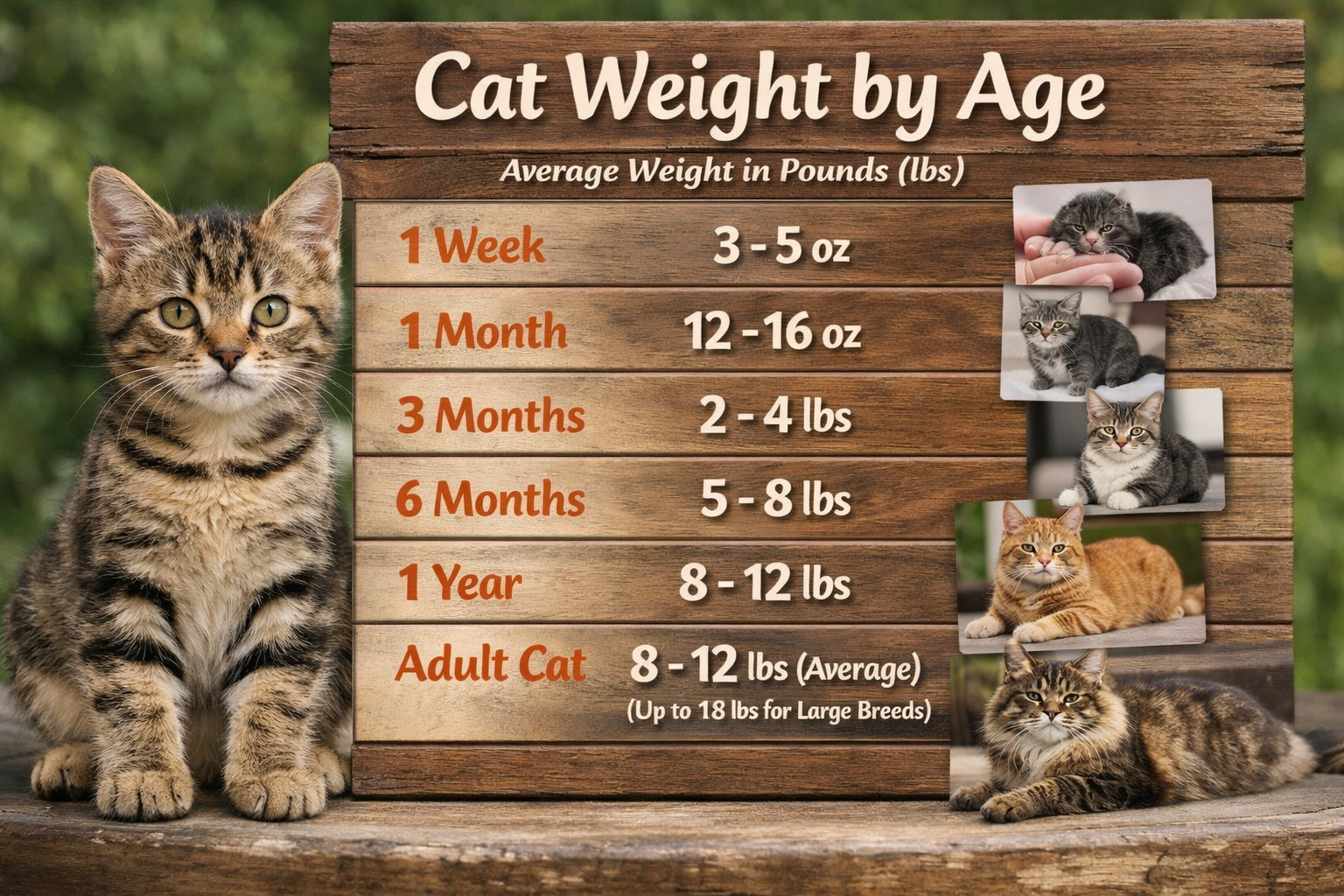
As a cat owner, understanding your cat’s growth and weight progression is essential for ensuring they stay healthy and happy. Cat weight by age is an important indicator of a cat’s overall health, and monitoring it can help you detect any potential health issues early. This guide will help you understand the average weight of cats by age, factors that influence their weight, and tips on maintaining a healthy weight for your feline friend.
Kitten (0 to 6 Months)
Kittens grow rapidly during the first six months of their life. At birth, a kitten weighs around 85 to 115 grams (3 to 4 ounces). By the time they reach one month of age, their weight should have increased to around 450 to 500 grams (1 to 1.1 pounds). From this point, their growth is swift, and they typically double their birth weight by the time they reach two months of age.
By three months, a kitten will typically weigh between 1.5 and 2 pounds (680 grams to 900 grams). At four months, they will be close to 3 pounds (1.4 kg). By six months, a kitten can weigh anywhere from 4 to 5 pounds (1.8 to 2.3 kg). This rapid growth period reflects the significant energy and nutrients kittens need to develop strong muscles and bones.
During this stage, it’s crucial to feed your kitten a nutrient-rich, high-quality diet that supports their rapid development. Regular veterinary checkups are also important to ensure that they are growing at a healthy rate.
Adolescent Cat (7 to 12 Months)
Around the seven-month mark, a cat is considered to be in its adolescent stage. During this period, your kitten’s growth starts to slow down a bit. However, it still continues to gain weight, although at a slower pace than during kittenhood.
At 7 to 9 months, your cat may weigh between 5 to 7 pounds (2.3 to 3.2 kg). This weight can vary depending on the breed, gender, and genetics of the cat. For example, larger breeds like Maine Coons may weigh more during this stage compared to smaller breeds like Siamese cats.
By the time your cat reaches 12 months, they may weigh anywhere between 6 to 9 pounds (2.7 to 4.1 kg). Male cats generally weigh more than females during this stage, and certain breeds, such as the British Shorthair, may still be growing at 12 months.
Adult Cat (1 to 7 Years)
At around one year, your cat is considered an adult. Most cats have reached their full weight and size by this age. However, this does not mean their weight will remain static throughout adulthood. Weight management becomes important as cats can become overweight or obese if they are overfed or underexercised.
The average adult cat weighs between 8 to 10 pounds (3.6 to 4.5 kg), although some breeds are naturally larger or smaller. For instance, a Maine Coon cat can weigh up to 25 pounds (11.3 kg), while smaller breeds like the Singapura may only weigh around 5 pounds (2.3 kg). It is important to note that weight can fluctuate slightly based on lifestyle, diet, and activity level.
To maintain a healthy weight, feed your adult cat a well-balanced diet, avoid overfeeding, and encourage regular playtime. Exercise is important for helping your cat maintain lean muscle mass and overall health.
Senior Cat (7+ Years)

Once your cat reaches the age of 7, they enter their senior years. Senior cats may experience changes in their weight as their metabolism slows down and their activity levels decrease. It’s common for older cats to gain weight due to reduced exercise, but it’s equally common for them to lose weight if they suffer from health problems such as dental disease, kidney issues, or thyroid problems.
A senior cat’s weight may fluctuate more during this stage. Some cat may gain weight, while others may become thinner. The typical weight for senior cats ranges from 6 to 12 pounds (2.7 to 5.4 kg), but again, this can vary significantly depending on the breed, health status, and lifestyle of the cat.
It is essential to monitor your senior cat’s weight regularly and take note of any significant changes. A sudden weight loss could indicate an underlying health condition, while excessive weight gain may lead to obesity, which can cause other health problems like diabetes, arthritis, and heart disease.
Factors Influencing Cat Weight by Age
While age plays a significant role in determining a cat’s weight, several other factors also influence how much a cat weighs. These include:
- Breed: Some cat breeds are naturally larger or smaller than others. For example, breeds like the Maine Coon, Ragdoll, and Norwegian Forest Cat are larger, while breeds like the Singapura, Munchkin, and Cornish Rex are smaller.
- Gender: Male cats tend to be larger than females. This difference becomes especially noticeable during adulthood, as males can weigh anywhere from 2 to 5 pounds more than females.
- Spaying/Neutering: Cats that are spayed or neutered are more likely to gain weight, as the procedure can affect their metabolism and appetite. However, with proper portion control and regular exercise, spayed and neutered cats can maintain a healthy weight.
- Diet: The type of food you feed your cat plays a major role in their weight. A balanced diet with the right proportions of protein, fats, and carbohydrates is essential for maintaining a healthy weight. Avoid overfeeding and ensure you’re giving your cat the appropriate portion sizes for their age, size, and activity level.
- Activity Level: Active cats, especially those that spend time outdoors, tend to maintain a healthier weight. Indoor cats may be less active, so it’s important to encourage play and exercise to prevent weight gain.
- Health: Underlying health issues, such as thyroid problems or kidney disease, can lead to weight loss or gain. If your cat’s weight is changing rapidly or significantly, it’s important to consult with a veterinarian to rule out medical conditions.
How to Maintain a Healthy Cat Weight by Age
Ensuring your cat maintains a healthy weight is crucial for their overall well-being. Here are some tips to help you manage your cat’s weight:
- Monitor portion sizes: Follow the feeding guidelines provided by your cat’s food manufacturer or consult your veterinarian to determine the appropriate portion sizes for your cat’s age, weight, and activity level.
- Encourage exercise: Play with your cat regularly to keep them active and engaged. Interactive toys, such as laser pointers and feather wands, can stimulate your cat’s natural hunting instincts and encourage movement.
- Provide fresh water: Ensure your cat always has access to fresh water. Hydration is essential for maintaining overall health and preventing issues like urinary tract infections or kidney disease.
- Avoid table scraps: Avoid feeding your cat table scraps or human food, which can be high in calories and unhealthy for them. Stick to a balanced, cat-specific diet.
- Regular veterinary checkups: Schedule regular checkups with your veterinarian to monitor your cat’s health and weight. They can help detect any underlying conditions early and provide advice on diet and exercise.
FAQs
Q1. What is the average weight of a kitten by age?
At birth, kittens weigh around 85 to 115 grams (3 to 4 ounces). By 6 months, they typically weigh 4 to 5 pounds (1.8 to 2.3 kg), with rapid growth in the first few months.
Q2. At what age is a cat considered fully grown?
Cats generally reach full size at around 1 year old, though larger breeds like Maine Coons may continue growing until 2 years.
Q3. How can I maintain my cat’s healthy weight?
To maintain a healthy weight, feed your cat a balanced diet, provide regular exercise, and schedule annual vet checkups to monitor their health.
Conclusion
Understanding your cat’s weight by age is essential for ensuring they remain healthy throughout their life. From the rapid growth of kittens to the slower changes seen in senior cats, maintaining a healthy weight through proper diet, exercise, and regular veterinary care is key. By monitoring your cat’s weight and keeping an eye on any significant changes, you can help ensure your furry friend enjoys a long and happy life.